A WiFi landline for kids that just works.
The home phone you grew up with, same handset, same dial tone, running over your home internet. Choose a Wi-Fi handset or connect an analog phone through the Bridge.
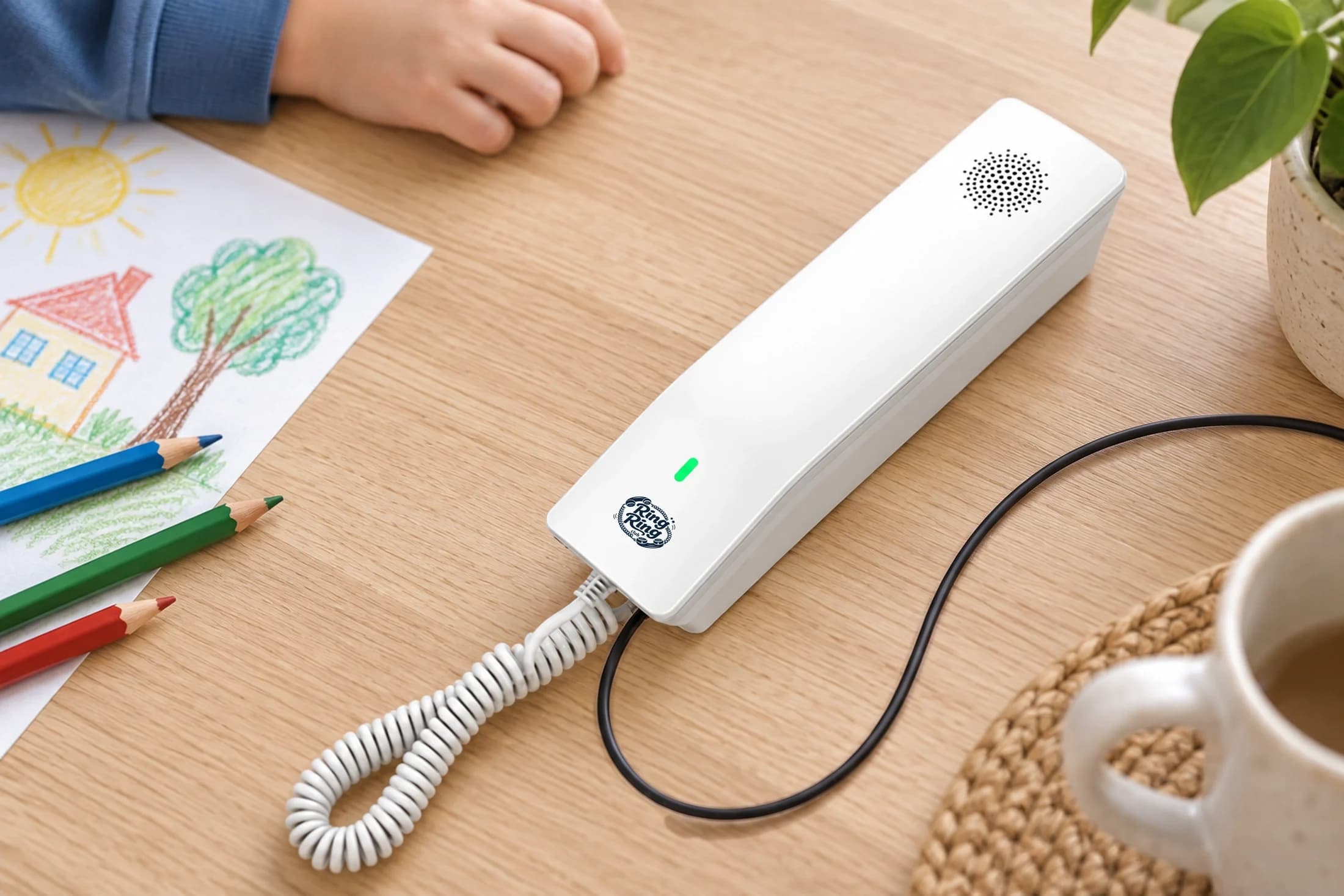
Three steps from box to dial tone
Connect it to your home internet
The Modern Kit connects over Wi-Fi. The Bridge connects to your router or mesh unit with Ethernet, then to a compatible analog phone with a phone cord. Both need power and working internet.
Choose who your child will call
Starter is free for calls between connected Ring Ring families. The paid plan adds a full phone number and calls to regular numbers, with parent controls. Emergency calling requires the paid plan and a verified service address.
Hand the handset to your kid
When the phone rings, your kid picks up. When they want to call grandma, they dial. That's the whole interface. The Wi-Fi part stays out of sight. They just use the phone.
The landline mostly disappeared. The need for one didn’t.
Most US households used to have a phone in the kitchen. The kid called a friend, the friend’s parent picked up, and there was a small chain of polite “may I please speak with…” before anyone even started talking. That whole social texture rode on top of one boring piece of technology: a home phone.
The major carriers have spent the last decade retiring copper landlines, especially in cities. The replacement they offer is “everyone gets a cellphone.” That works fine for adults. For an 8-year-old, it means the choice is “smartphone” or “no phone.”
Parents appear to share that concern. In a recent parent poll, 79% of respondents said they would prefer to delay giving their child under 10 a smartphone if they still had another way to call family and friends.
A Wi-Fi landline puts back the third option. It uses the home internet you already pay for, costs a fraction of a cell plan, and gives your kid a real number friends and family can dial directly, without a screen in their bedroom.
Wi-Fi landline vs copper landline vs cellphone
Three takes on the home phone problem. Each has trade-offs.
| Feature | Ring Ring (Wi-Fi) | Copper landline | Kid cellphone |
|---|---|---|---|
| Available in 2026 | Yes | Mostly retired by major carriers | Yes |
| Setup | Modern Kit: Wi-Fi. Bridge: Ethernet to your router | Requires a copper line | SIM, account, contract |
| Real phone number | On the paid plan | Yes | Yes |
| E911 | Paid plan and verified address required; not on Starter | Yes | Yes, GPS-based |
| Works in a power outage | No; needs power and working internet | Yes (copper carries power) | Until the cell tower or battery dies |
| Cost per month | $0 Starter or $8.95 paid plan; hardware extra | $30 to $50+ if you can still get it | $15 to $30+ kids plan |
| Your kid carries it everywhere | No, stays at home | No | Yes |
| Phone has a screen | No (BYO analog phone or basic Wi-Fi handset) | No | Yes |
Still deciding whether a home phone fits your kid? Read landline for kids, with ages, parent controls and costs. Want the philosophy behind the screen-free choice? Read screen-free phone for kids. Want the price-led overview? Affordable phone for kids.
A Wi-Fi landline for less than a streaming subscription
Free tier
$0/mo
Starter Plan: calls between connected Ring Ring families. No calls to regular numbers or 911. Hardware is purchased separately.
Bridge adapter
$59
One-time. Connects to your router with Ethernet and to your compatible analog phone with a phone cord. Your phone uses your home internet for calls.
Modern Kit
$75
One-time. Self-contained Wi-Fi handset with an HD speaker, no separate phone needed. Best when you don’t already own an analog phone to pair.
The paid plan ($8.95/mo) adds a full phone number and calls to regular numbers, with parent controls. 911 requires a verified service address, power and working internet. Month-to-month, cancel anytime.
Pick the shape of your landline.
Choose your hardware, then your plan. Starter connects Ring Ring families for free. A full phone number and 911 require the paid plan.
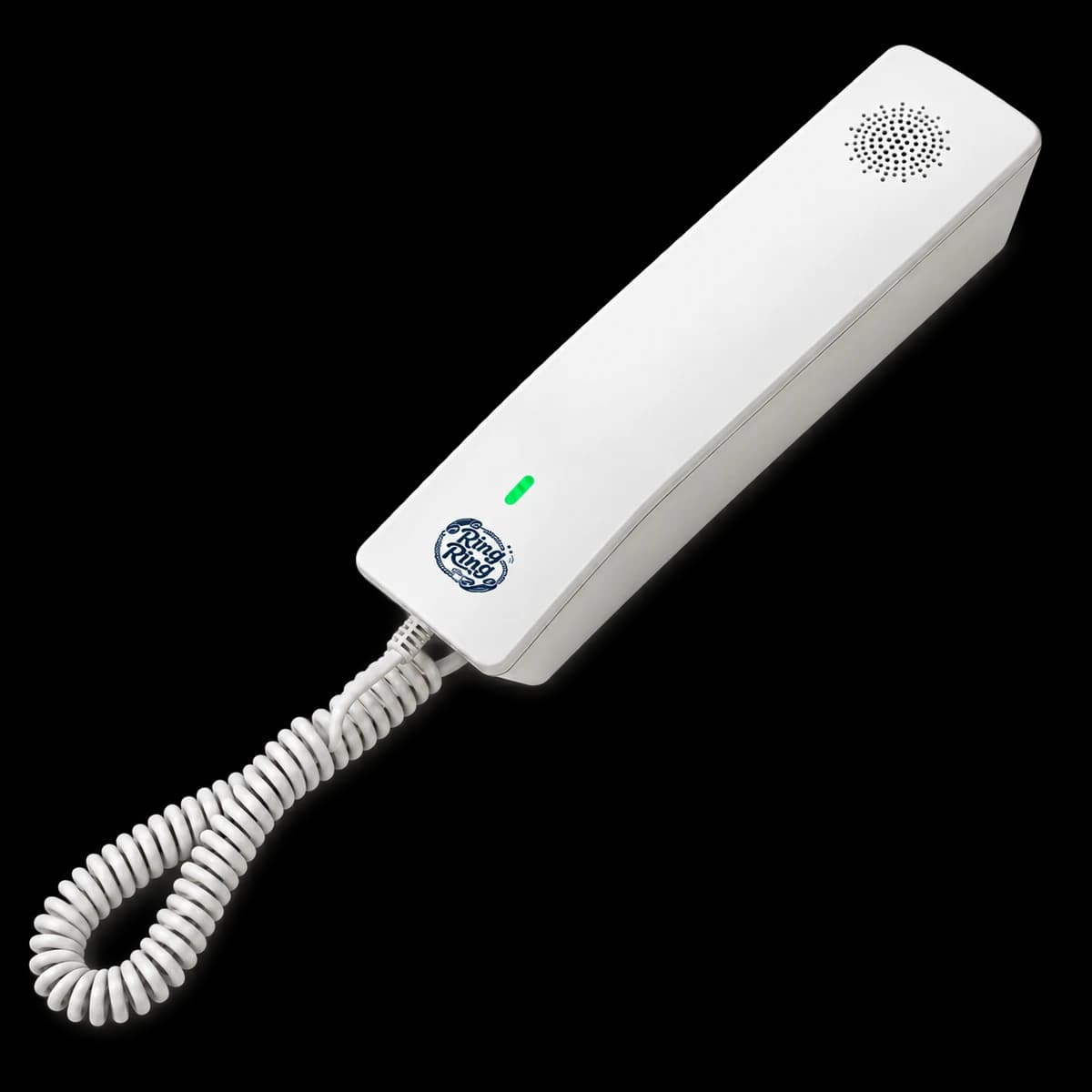
The Modern Kit
$75
Wi-Fi handset, ready out of the box. Black or white.
Pick the Modern Kit →

The Nostalgic Kit
$89
A real corded classic, pre-wired with our Bridge. Black, white, or pink.
Pick the Nostalgic Kit →
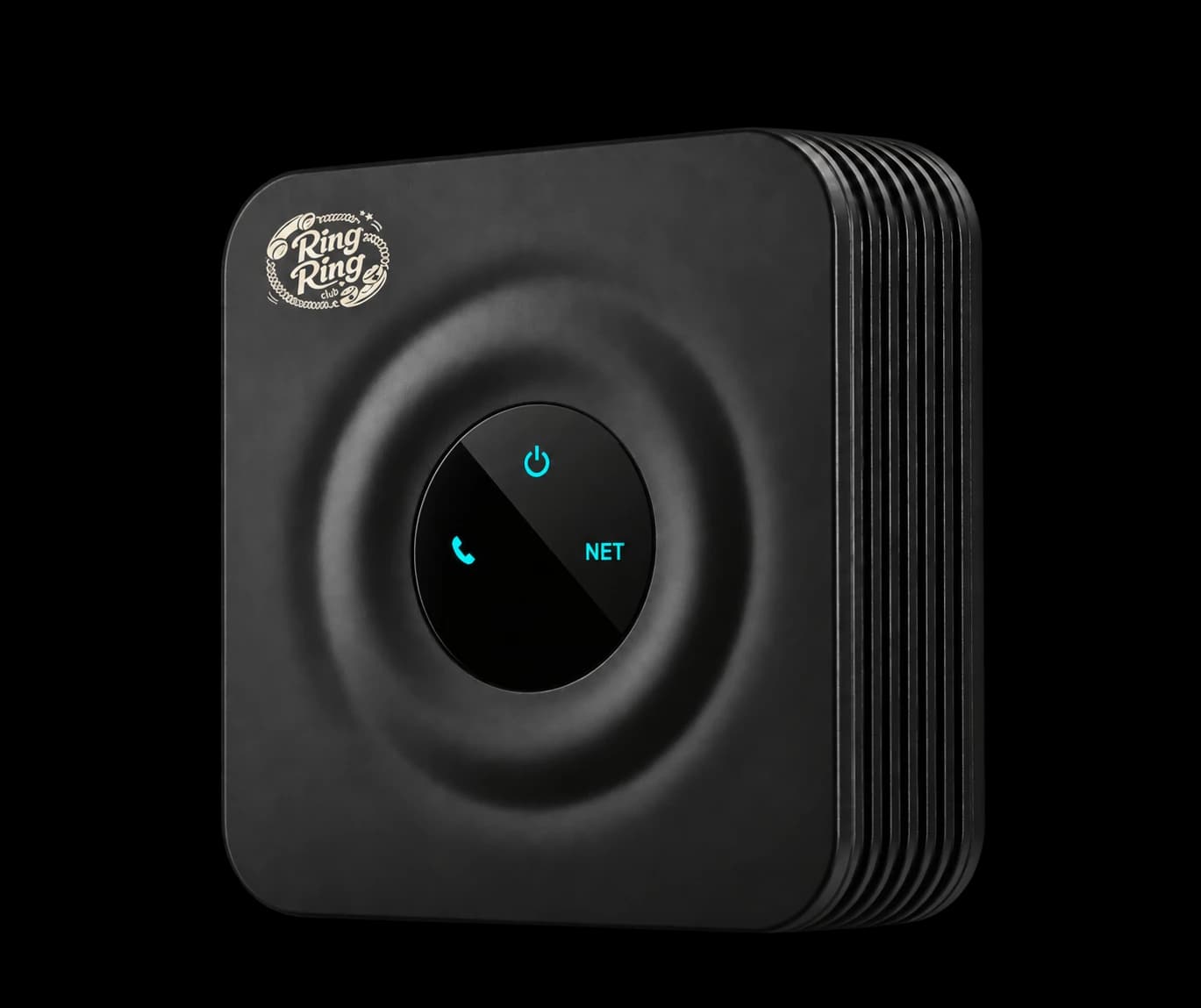
Bridge Only
$59
Plugs into your router and pairs with a compatible analog phone you already love.
Pick the Bridge →
About Wi-Fi landlines
What is a Wi-Fi landline?
A Wi-Fi landline is a home phone that uses your internet connection to make and receive calls instead of a copper phone line. The user experience is the same as the landline you grew up with: pick up the handset, dial a number, talk to a person. But it rides on your existing home Wi-Fi instead of a separate phone wire from the wall. Technically it's VoIP (voice over IP), but for the kid using it, it's just a phone.
Do I need to be technical to set it up?
No. If you've set up a smart speaker or printer on your Wi-Fi, you have the relevant skills. The Modern Kit uses Wi-Fi. The Bridge uses an Ethernet cable to your router or mesh unit. A parent uses a phone or computer for setup. No router configuration, no port forwarding, no IT help required.
Do I need a special internet plan?
No. Any home internet works: cable, fiber, DSL, even fixed-wireless. A phone call uses about the same bandwidth as a single voice message playing back, so you don't need a fast plan. If your home Wi-Fi can stream music, it can run Ring Ring.
What about a power outage or internet outage?
A copper landline kept working during outages because the phone company sent power down the wire. A Wi-Fi landline cannot. If your internet or power is out, the phone is out too. For most families this is fine (everyone has a cellphone for emergencies), but it's worth knowing. We recommend having one cellphone in the house as a backup, the same way most landline households did in the late 2000s.
Does 911 work?
911 requires the paid plan, a verified service address, power and working internet. It is not included on the free Starter plan. Keep another way to reach emergency services if your power or internet goes out.
Can I keep my old phone number?
Number porting is on our roadmap but not live yet. On the paid plan, you choose a new local number. Starter uses in-network calling instead of a full phone number. If keeping a specific number is critical, contact us before you order so we can let you know where porting stands.
Why is this for kids specifically?
Anyone can use it, but we built it for the family-with-kids use case: a phone that lives at home, doesn't go to school, doesn't have a screen, and lets a kid call friends and grandparents without you handing them a smartphone. Adults can absolutely call from it; the more connected Ring Ring members in your child's Trusted Circle, the better the free tier works.